If you want to understand the Dominican Republic not only as a holiday destination but also as a country of large family fortunes, it’s worth looking beyond just banks and developers. What you see on the shelf, in the humidor, in the supermarket, or at the entrance to a resort tells you just as much about who truly holds the cards. In this text, we have gathered the families and dynasties behind brands such as Brugal, Ron Barceló, La Aurora, Arturo Fuente, and the power of Punta Cana itself. Where reliable, public wealth benchmarks are available, we indicate them. Where they are lacking, we rely on what can be reliably confirmed: generations, origin, region, and scale of operations.
The Rainieri Family – Creators of Punta Cana
Frank Rainieri is a name without which it is difficult to describe the history of modern tourism in the Dominican Republic. The official history of Puntacana Resort & Club explicitly states that he created the Punta Cana brand in the 1970s, and the development of the entire venture began with a joint project to develop the pristine eastern part of the Dominican Republic. Today, the center of this fortune includes Punta Cana, Bávaro, Uvero Alto, and the entire province of La Altagracia. In the latest company communications, the next generation is clearly visible – Frank Elías Rainieri Kuret serves as CEO. The family’s roots are Italian, but their current business position is entirely Dominican. The most reliable public wealth benchmark remains the regional Forbes ranking, cited by Diario Libre, in which Frank Rainieri was valued at approximately USD 1.2 billion. The flagship “business” of this family is not a single brand, but an entire ecosystem comprising Puntacana Resort & Club, Punta Cana Airport, hotel investments, and the luxury tourism real estate segment.
The León Jimenes Family – Tobacco Aristocracy from Santiago and the People Behind La Aurora
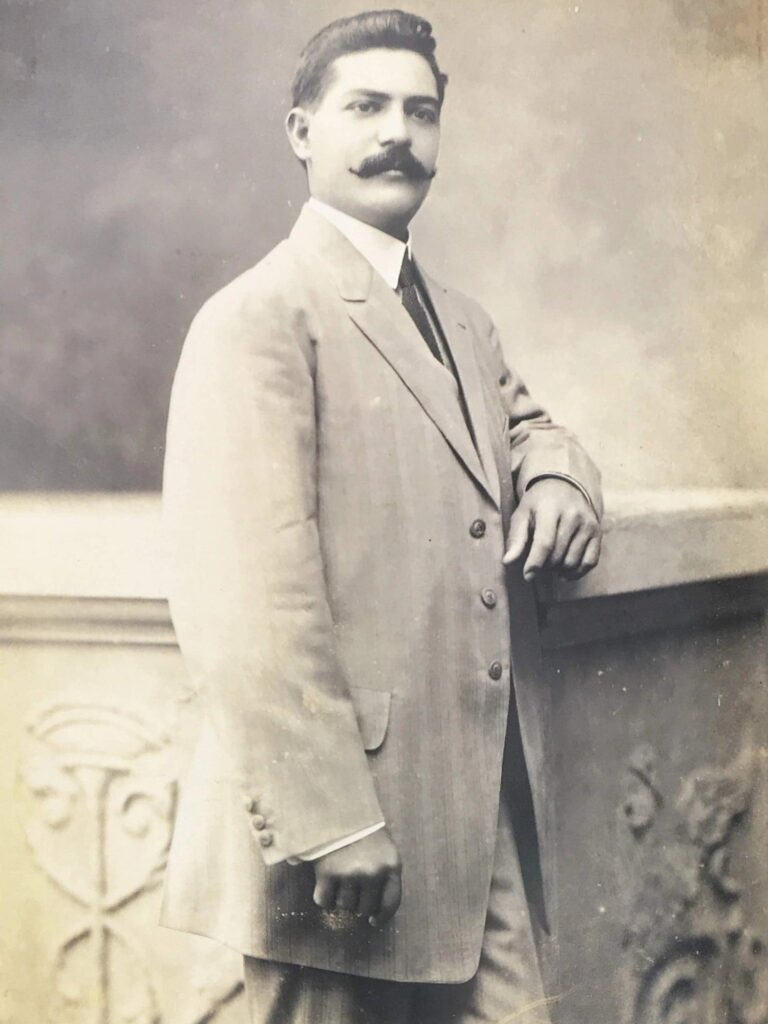
If someone sees La Aurora in the Dominican Republic, they are looking at one of the most important family business stories on the island. The brand’s official narrative indicates that Eduardo León Jimenes founded La Aurora in 1903 in the Guazumal and Santiago de los Caballeros region, at just 18 years old. The company itself emphasizes that La Aurora was the foundation from which Grupo E. León Jimenes – one of the largest business groups in the country – developed. Currently, Guillermo León remains a significant public figure, presented as the fifth generation of the family involved in tobacco. The natural center of this fortune is the Cibao region, especially around Santiago and Tamboril. There is no reliable, up-to-date public valuation of the entire family’s assets, but its historical and business scale remains indisputable. For the average consumer, La Aurora itself – the oldest cigar factory in the country – remains the most recognizable symbol.
The Fuente Family – Arturo Fuente is Still a Classic Family Fortress
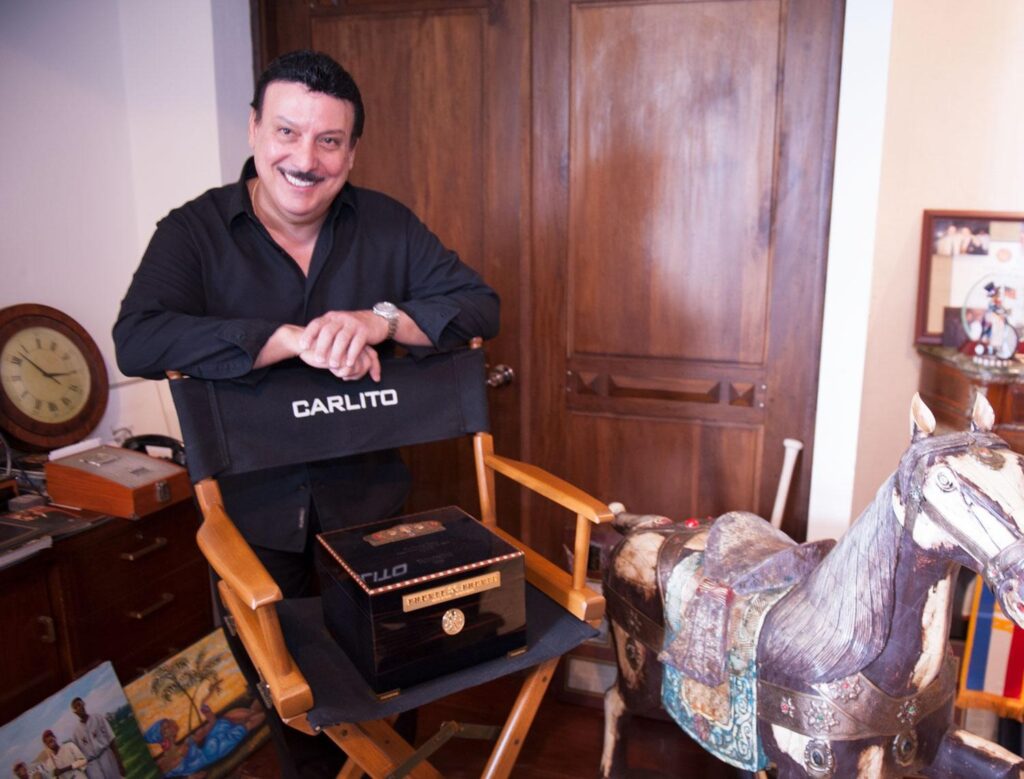
The Fuente family still stands behind Arturo Fuente – and this matters, because in the world of premium cigars, many brands have retained the name but lost their real, family character. The company’s official history indicates that today it is the fourth generation, and the brand remains family-owned in the Dominican Republic. Carlos Fuente Jr. and Liana Fuente, representing the next generation, are most frequently seen publicly. The family’s roots are Cuban, but the main stage of building its modern position took place in the Dominican Republic, with strong backing in the Santiago de los Caballeros region and the country’s northern industrial zone. There is no current, reliable public valuation of the family’s assets, but the brand itself is among the world’s top premium cigar segments and remains one of the strongest symbols of Dominican tobacco in the global market.
The Gómez Family – La Flor Dominicana is More a New Legend Than an Old Dynasty
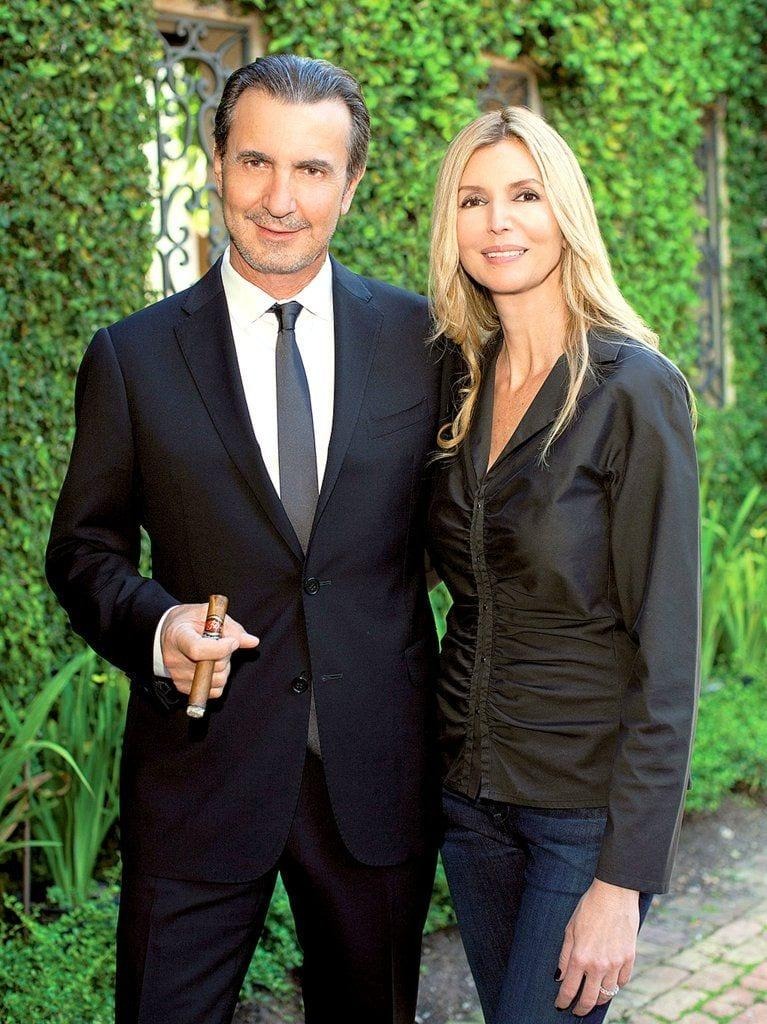
Compared to families like León Jimenes or Fuente, La Flor Dominicana is a distinctly younger, but already very strong brand. Official information indicates that Litto Gómez and Ines Gómez founded the company in 1996 in Santiago de los Caballeros. This means we are practically talking about the first generation building a global brand. The family has Dominican-Cuban roots, but business-wise, it is strongly embedded in the Cibao region, especially around Santiago. If someone sees La Flor Dominicana in a humidor, they are dealing with one of those families who – although not matching the scale of financial conglomerates – have built a very high prestige for a premium product. There is no reliable, public net worth valuation for this family, but the brand itself is one of the most important Dominican names in the handmade cigar segment.
The Pérez-Carrillo Family – Four Generations of Tobacco and the E.P. Carrillo Brand
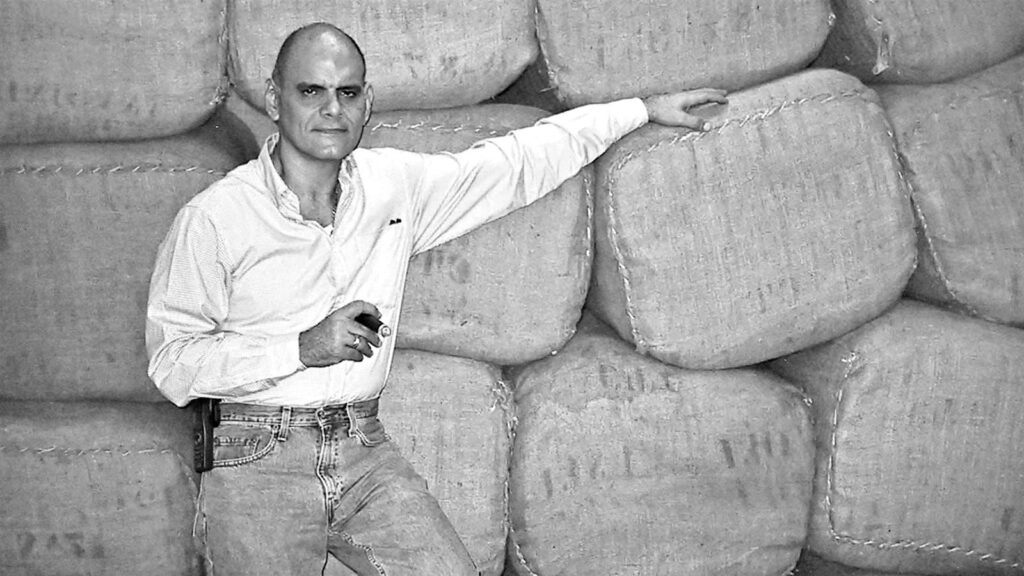
E.P. Carrillo is another example of a brand that is obvious to a cigar enthusiast, but less recognizable to the average tourist. Official information from Casa Carrillo indicates that the family has been in the tobacco industry for four generations, and the factory itself produces the E.P. Carrillo, Perez-Carrillo, and INCH Series lines. As in many other cases, the center of operations is in the north of the country, in the Dominican cigar heartland. This is not a dynasty with as broad a reach as Grupo Popular or Grupo SID, but in the world of premium tobacco, its significance is much greater than the limited visibility of private assets might suggest. If you want to show the reader that behind a single cigar band stand specific people and multi-generational work, the Pérez-Carrillo family is a prime example.
The Brugal Family – A Great Rum Name, But No Longer Fully Independent Control
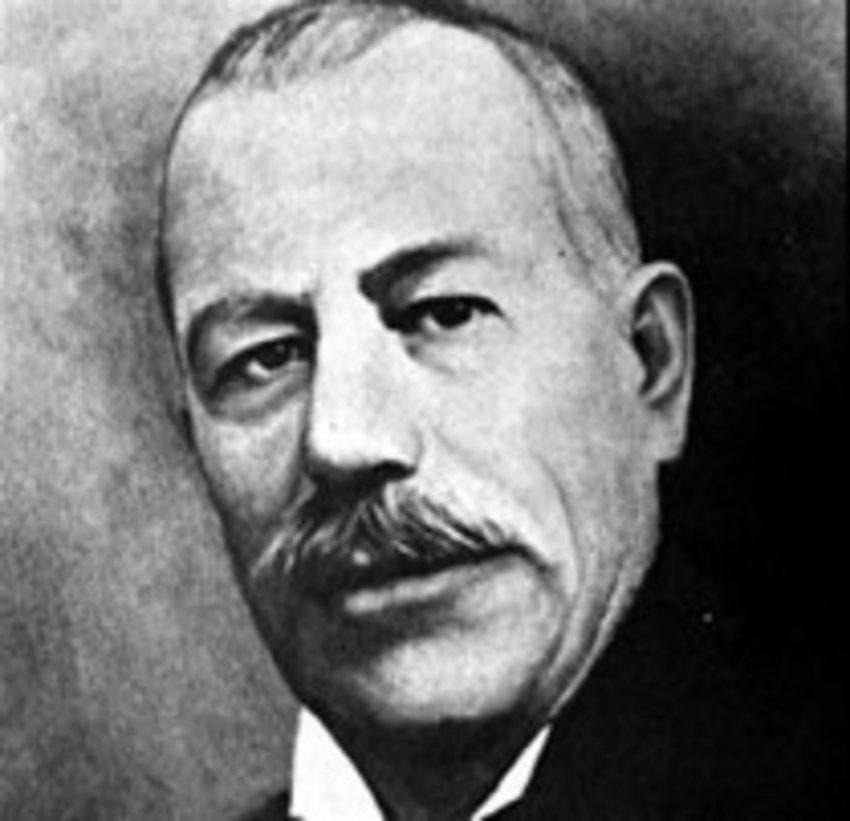
When you see Brugal on the shelf, you are looking at one of the most important rum stories in the Caribbean. The brand’s official narrative indicates that Andrés Brugal Montaner arrived from Spain and founded Brugal in 1888, and current communication emphasizes five generations of rum masters. Geographically, the brand is strongly associated with Puerto Plata and the country’s northern coast. However, it is worth separating the history of the founding family from the current ownership structure. Both Brugal and Edrington confirm that Edrington acquired a majority stake in 2008. This means that the legend is still backed by the Brugal family’s history, but current capital control is now international. For the retail customer, Brugal 1888 remains the most recognizable product, while in the context of family continuity, Jassil Villanueva Quintana, presented as a representative of the fifth generation of rum masters, is a significant contemporary name.
The Barceló Family – Ron Barceló is a Dominican-Spanish Story from San Pedro de Macorís
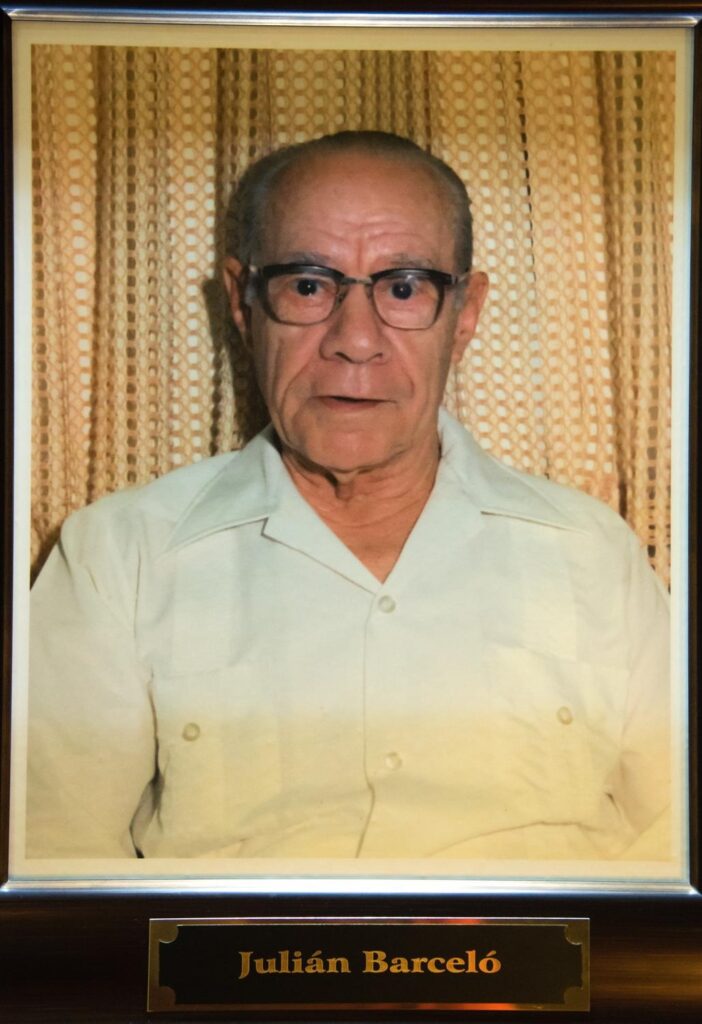
With Ron Barceló, it’s easy to make a mistake, as many people associate this brand with the hotel group Barceló Group – but these are completely separate entities. The official history of the rum indicates that Julián Barceló arrived in the Dominican Republic from Spain in 1929, and founded the company just a year later. Currently, the brand’s production base is located in San Pedro de Macorís, and the company itself emphasizes that after forming an alliance with a group of Spanish investors, a new ownership structure was created. Within this structure, the Barceló Díaz and García families – representing the third generation of Barceló – still sit on the board of directors. This means that the brand’s roots are family-based and Dominican-Spanish, while contemporary control is more corporate than exclusively family-owned. For the retail customer, Ron Barceló Imperial remains the most recognizable product. It is also worth noting: the hotel-based Barceló Group is a separate Spanish family company, founded by Simón Barceló in 1931.
The Bermúdez Family – An Old Rum Dynasty from Santiago
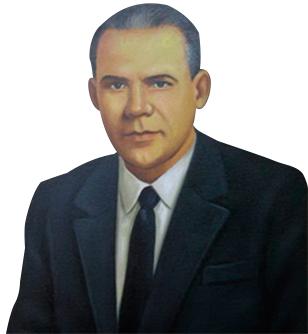
If Brugal is associated with the north coast, Bermúdez represents one of the most important rum stories of Santiago de los Caballeros. The brand’s official narrative indicates that it all began in 1852 when Erasmo Bermúdez, a Venezuelan immigrant and pharmacist, created the beverage Amargo Panacea. From this venture, the oldest rum factory in the country and one of the oldest in Latin America developed. A key element of the brand’s message is generational continuity – from the fourth, through the fifth, to the sixth generation of the family. For the retail consumer, the most recognizable products of this dynasty are Palo Viejo, Bermúdez Dorado, Añejo, and Don Armando. Today, this brand is not promoted as intensely as some others, but from the perspective of the Dominican Republic’s economic history, Bermúdez remains an absolute founding league.
The Bonetti Family – Not Just One Bottle, But Half a Supermarket
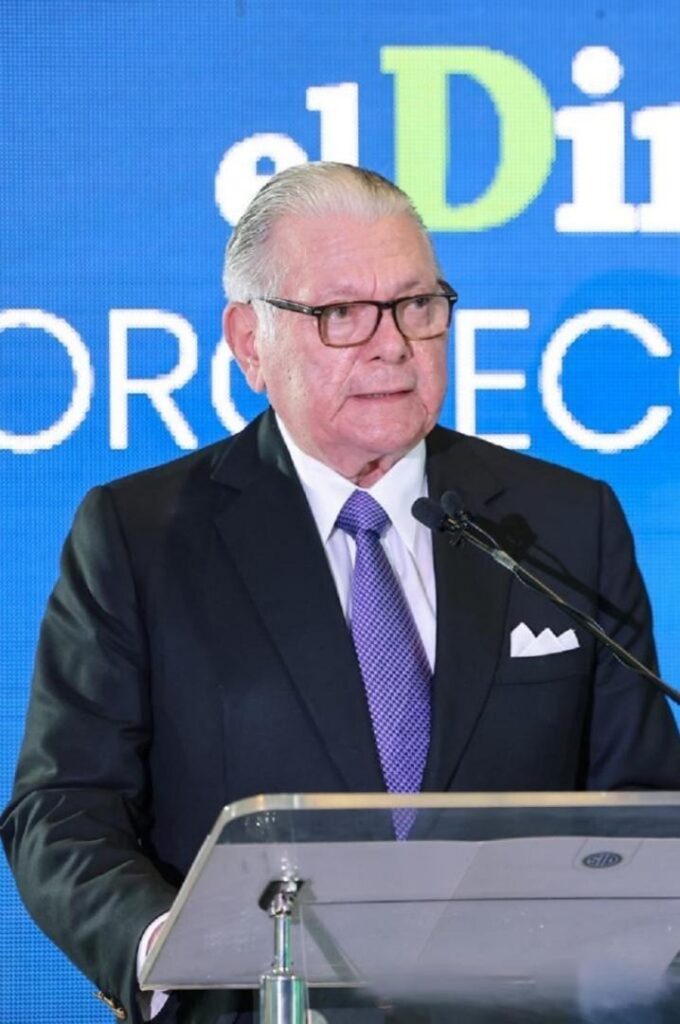
Grupo SID has been operating for over 86 years, with Ligia Bonetti as executive president and José Miguel Bonetti Guerra as chairman of the board as its public face. This business is based in Santo Domingo but has a nationwide presence. The group’s official materials indicate that its structure includes MercaSID and Induveca, among others, and on the shelf, customers will see brands such as Crisol, Don Pedro, Estelar, El Cocinero, and Parmalat. The scale of operations is also evident operationally – the group reports over 5,000 employees, and Induveca emphasizes its leadership position in the meat and dairy segment. There is no current, unambiguous public net worth valuation for the family, but this is one of those dynasties responsible for supplying the entire country with everyday products.
What Most Often Confuses Tourists – Davidoff, Brugal, and Barceló
The first pitfall is Davidoff. Cigars have been handmade in the Dominican Republic since 1991, and the factory is located in Villa González near Santiago de los Caballeros, but the brand is backed by Oettinger Davidoff – a Swiss family group, not a Dominican owning family. This means the product is Dominican in production, but its capital origin is Swiss.
The second pitfall is Brugal. Many people assume that since it’s a “family rum,” it remains fully under family control to this day. The family’s history is authentic, but since 2008, the majority stake has belonged to Edrington. This is no longer a simple model of “brand = family = full ownership.”
The third pitfall is the distinction between Ron Barceló and Barceló Group. The rum has its own history, initiated by Julián Barceló and based in the Dominican Republic, while the hotel-based Barceló Group is a separate Spanish family company, founded by Simón Barceló. These two entities share a name but not a business structure.