Before delving into the Dominican Republic, it’s worth first grasping the global scale. According to Bloomberg, in 2025, the ten wealthiest families in the world are: Walton (USD 513.4 billion), Al Nahyan (USD 335.9 billion), Al Saud (USD 213.6 billion), Al Thani (USD 199.5 billion), Hermès (USD 184.5 billion), Koch (USD 150.5 billion), Mars (USD 143.4 billion), Ambani (USD 105.6 billion), Wertheimer (USD 85.6 billion), and Thomson (USD 82.1 billion). This is an important point of reference, as no family from the Dominican Republic appears in Bloomberg’s public top 25. This means that for this country, we are dealing more with large, private conglomerates rather than openly valued family fortunes.
It is also important to clearly state the methodology adopted. For the Dominican Republic, there is currently no single public, up-to-date, and auditable ranking of “family net worth” in the style of Bloomberg. The last widely commented Forbes rankings for the Dominican Republic and the region were partly based on investments, assets, revenues, and the scale of business groups’ operations, and the media themselves emphasized that local fortunes are very discreet and do not disclose full data. Therefore, the list below is a synthesis of the latest available Forbes rankings for the DR and Central America, as well as newer information on assets, sales, and business scale. Where a reliable valuation of private net worth is unavailable, we provide the closest, most reliable indicator of scale in USD.
10. The Barletta Family
The Barletta family represents old, very discreet capital with strong roots in the automotive industry. The foundation remains Grupo Ambar, whose oldest company is Santo Domingo Motors, founded in 1920 by Amadeo Barletta. Currently, the most recognizable name is Miguel Barletta, who has been involved in managing the group in the Dominican Republic and the Caribbean for years. The source of this fortune is immigrant and Italian, while its modern operational center is Santo Domingo. The key area of activity remains automotive and mobility in a broad sense, particularly the group’s distribution network and Motorambar. A public financial reference point – instead of a direct valuation of private wealth – is Forbes’ 2020 estimate for Grupo Ambar, indicating approximately USD 750 million in revenues.
9. The Ramos Family
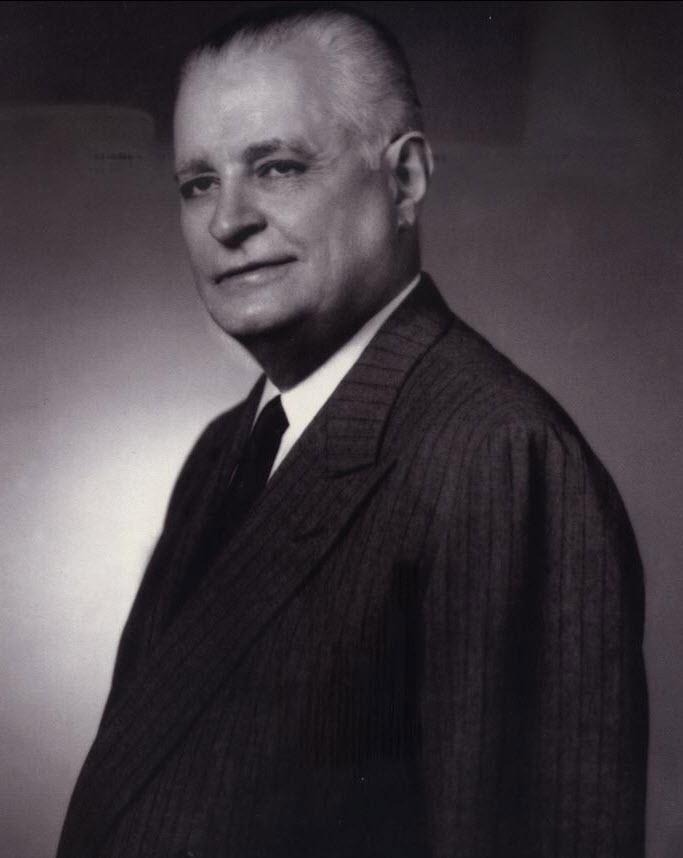
The Ramos family business grew out of retail and remains one of the country’s most massive consumer empires to this day. The history of Grupo Ramos began in 1965 when Román Ramos Uría, an immigrant from Spain, acquired a small store called La Sirena on Avenida Mella in Santo Domingo. Today, the group operates in many provinces and is also expanding intensively in the Cibao region, where it systematically increases its presence and opens new establishments. The most important brand remains Sirena, alongside Aprezio and Multiplaza. The most useful public indicator of scale is not the family’s wealth, but its operational size: over 8,000 jobs and sales exceeding USD 1 billion annually.
8. The Rizek Family
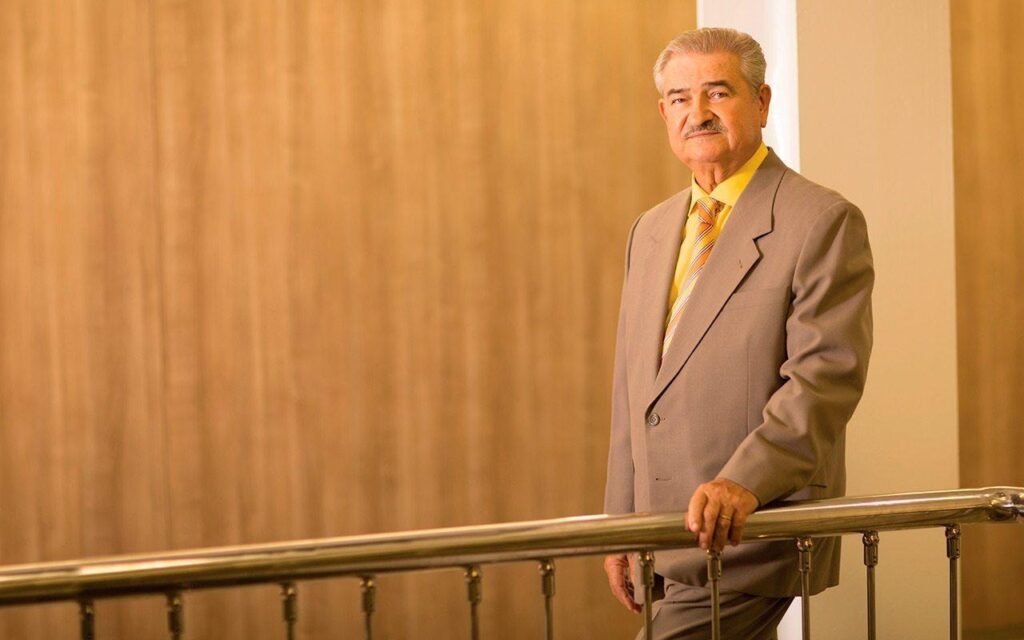
If one is looking for a fortune built not on banking or retail, but on an export commodity, the Rizek name is among the strongest in the country. This family is historically linked to the Cibao region, especially San Francisco de Macorís, and its business grew around cocoa. The group itself points to family roots dating back to 1887 and activity in the cocoa industry since 1905. The most publicly recognized name remains Héctor José Rizek Llabaly. The flagship business is Rizek Cacao, which describes itself as the largest processor and exporter of fine and flavor cocoa in the Dominican Republic. In this case, there is no reliable, public valuation of private wealth in USD, but the scale of exports and market position place the Rizek family among the country’s top agro-exporters.
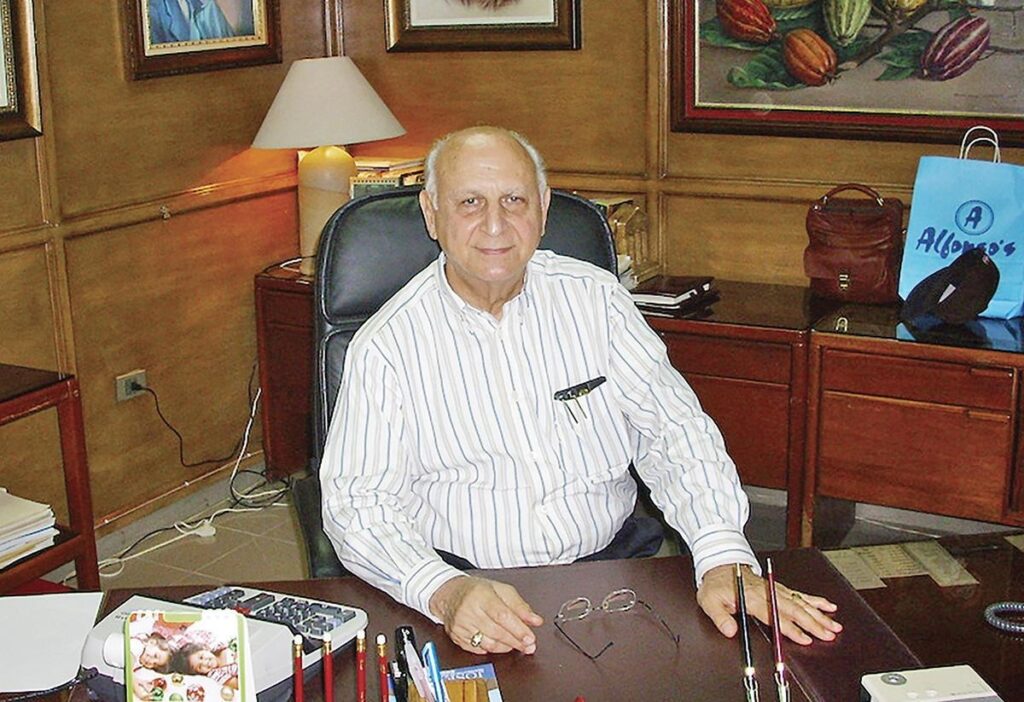
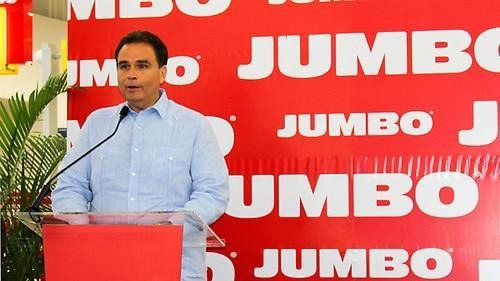
7. The González Cuadra / CCN Family
This is one of the most tangible businesses for the average resident and tourist, as its presence is visible daily in retail. Centro Cuesta Nacional grew from a small store on Calle Mercedes in Ciudad Colonial in 1935, and today functions as a large retail conglomerate with operations also in industry, distribution, real estate, and energy. The publicly associated face of the group is José Miguel González Cuadra. The decision-making center remains in Santo Domingo, but the scale of operations is nationwide, with a significant presence also in Santiago de los Caballeros and Bávaro. Key brands include Nacional and Jumbo. There is no public valuation of the family’s private wealth, but the group itself indicates over 9,000 employees and its position as the largest retail and wholesale company in the country.
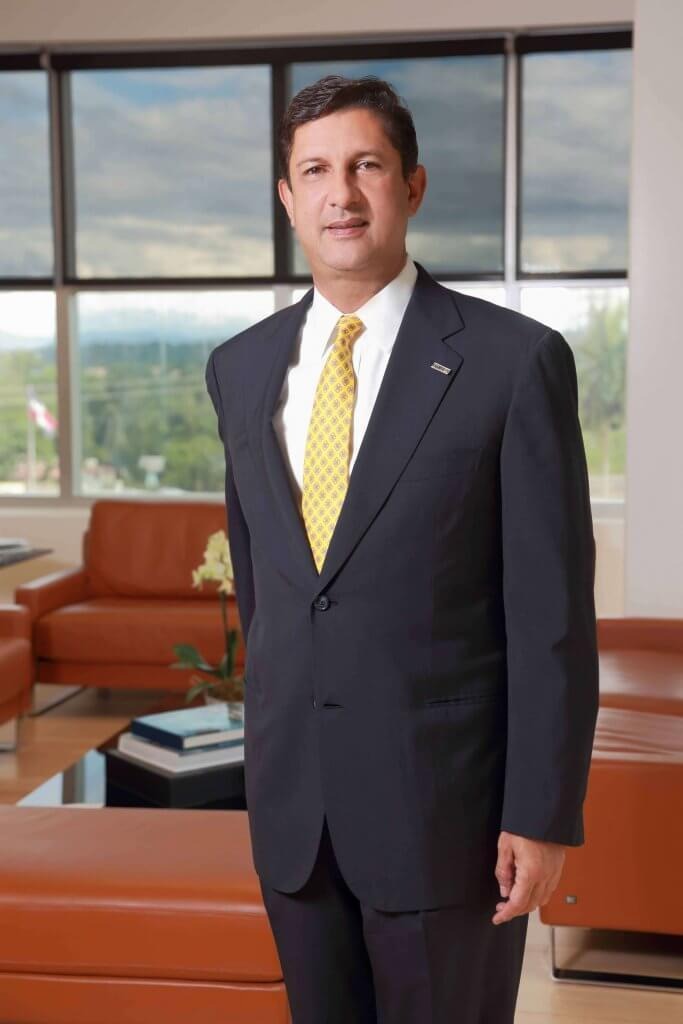
6. The Estrella Family
Estrella is a classic Dominican type of fortune: infrastructure, steel, cement, concrete, and the execution of large projects. The group was created by Manuel Estrella, and its operational center is in Santiago de los Caballeros, although administrative offices also operate in Santo Domingo, and projects are carried out throughout the country and region. Grupo Estrella operates as a conglomerate including Ingeniería Estrella, Acero Estrella, and the PANAM platform, among others. This capital is strongly rooted in the Cibao region and now also operates in international markets. In older Forbes rankings, the group appeared as a significant investment player, while today the most reliable public indicator of scale remains real industrial assets and a portfolio of infrastructure projects. Flagship segments are Ingeniería Estrella and Cemento PANAM.
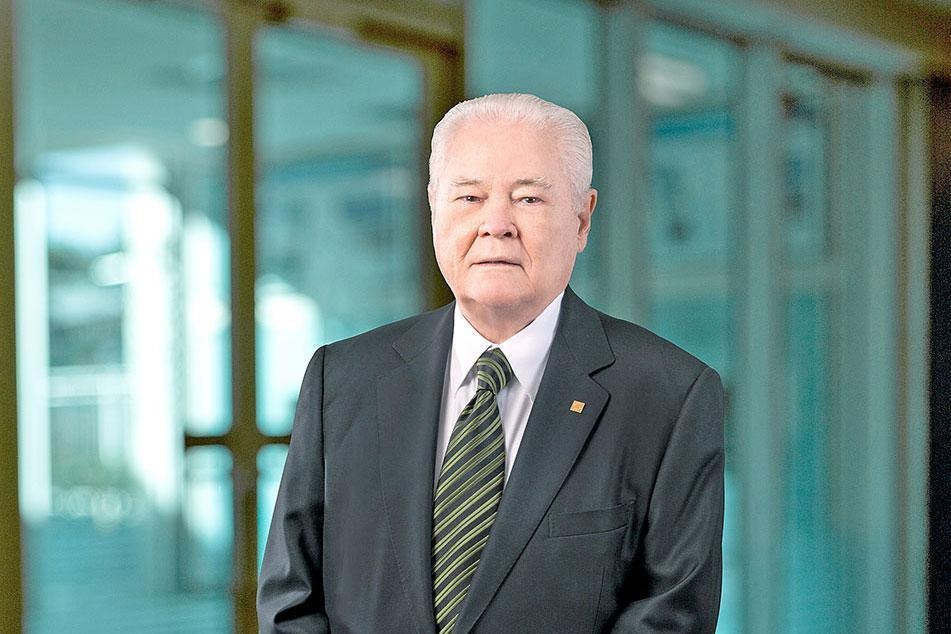
5. The Grullón Family
Grullón is a name without which it is difficult to describe the history of modern Dominican banking. The founder, Alejandro E. Grullón, created Banco Popular Dominicano, and currently, the most important public representative of the family remains Manuel Alejandro Grullón. The next generation is also becoming increasingly prominent, including Manuel Grullón Hernández, active in technology and fintech. The family’s roots are strongly linked to Santiago de los Caballeros, but the center of business activity is Santo Domingo and the entire national market. In this case, specific financial data are available: Banco Popular itself ended 2025 with assets of DOP 929.748 million, while Grupo Popular exceeded DOP 1,002.513 million in assets in 2024, becoming the first private capital conglomerate in the country above the 1 trillion peso level. This is not a direct valuation of the family’s private wealth, but the scale of operations remains unambiguous. The flagship business is Banco Popular.
4. The Bonetti Family
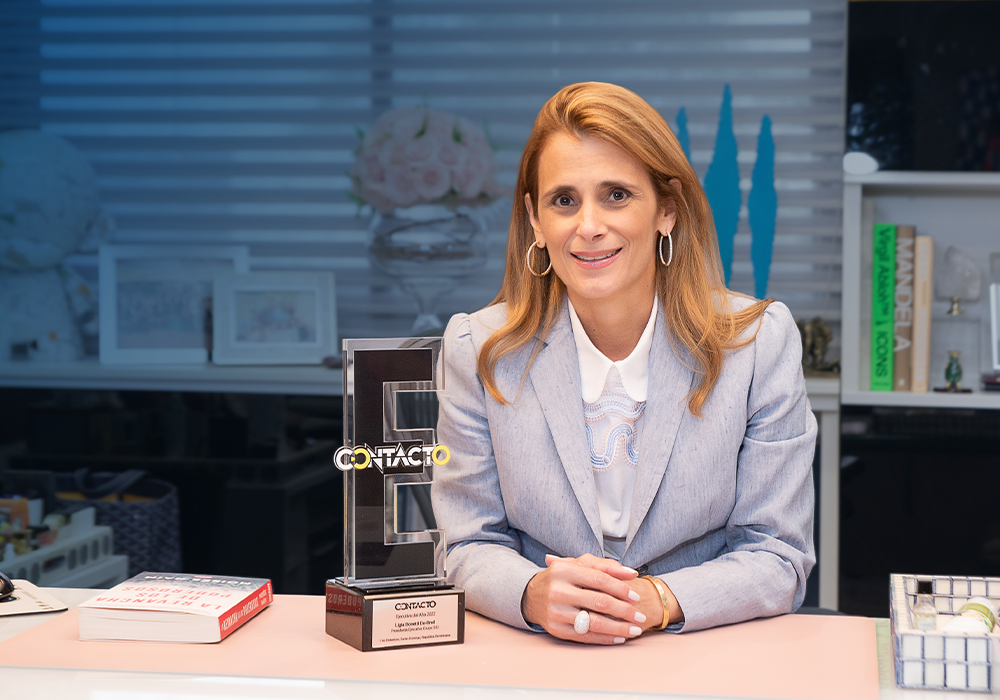
The Bonetti family created one of the most powerful Dominican structures in the consumer goods segment. Grupo SID was founded in Santo Domingo in 1937, and today includes MercaSID, Induveca, Induspalma, NEXT, and other companies with a strong market share. The most publicly recognized figure is Ligia Bonetti, representing the third generation and leading the group. In older Forbes rankings, the group regularly appeared among the country’s top fortunes. One of the most reliable public indicators of scale remains annual revenues of approximately USD 700 million and a dominant position in the FMCG segment. The nature of the business is primarily national — with its center in Santo Domingo and nationwide distribution – while also having a presence in regional markets. Flagship brands are MercaSID and Induveca.
3. The Corripio Family
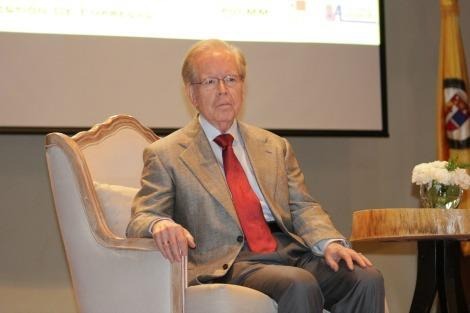
Corripio is an example of a fortune built on broad diversification. Its most recognizable face remains José Luis Corripio Estrada, an entrepreneur of Spanish origin, associated with Grupo Corripio. The family’s business center is in Santo Domingo, but the group’s influence extends to virtually the entire country through trade, distribution, industry, and media. It is the media sector, alongside household appliances and daily goods trade, that distinguishes Corripio from most Dominican fortunes. Grupo Corripio is described as one of the largest and most developed private conglomerates in the country, and older Forbes profiles indicated approximately 12,000 employees. A current, hard valuation of the family’s private wealth is not publicly available. The most tangible business for the retail customer remains Tiendas Corripio, while in the context of public influence, media assets also play a significant role.
2. The Rainieri Family
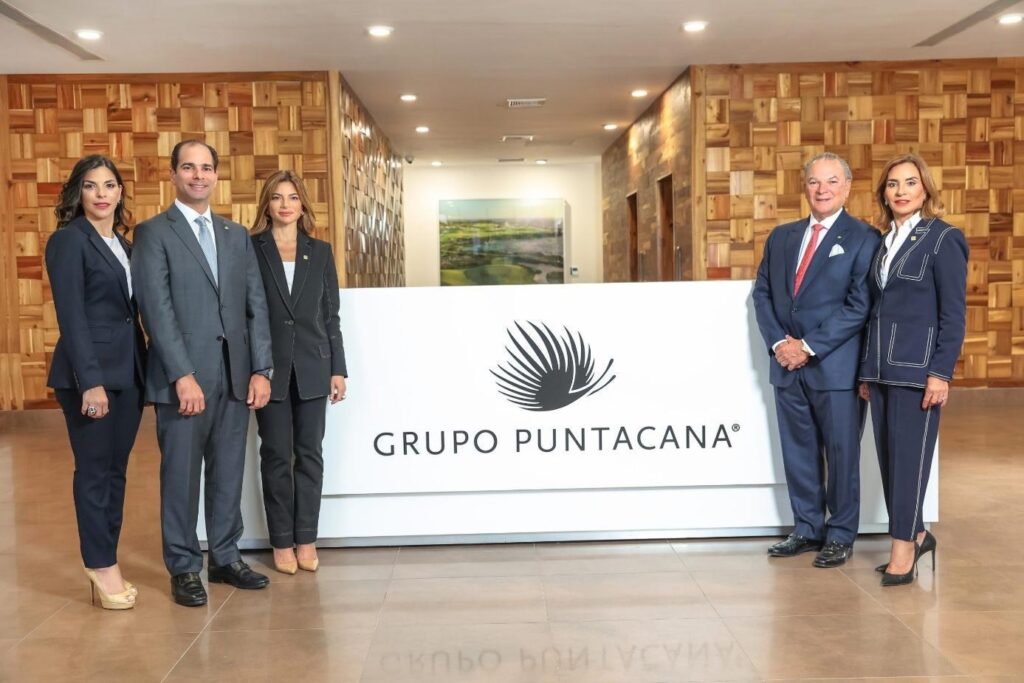
Rainieri is a family that not only built a fortune but co-created the Punta Cana brand. Frank Rainieri remains a symbol of Dominican premium tourism, and the succession process is already clear – in 2021, Frank Elías Rainieri took over as President and CEO of Grupo Puntacana. The family’s roots are Italian and linked to the hotel tradition, while the modern empire remains inextricably linked to the Punta Cana and La Altagracia region. It was there that one of the strongest tourism and real estate ecosystems in the Caribbean was created, including an airport, resort, school, village, and accompanying infrastructure. In the 2021 regional Forbes ranking, Frank Rainieri ranked 6th in Central America and the Dominican Republic, with estimated assets of approximately USD 1.2 billion. The flagship project remains Puntacana Resort & Club and the broader Grupo Puntacana ecosystem.
1. The Vicini Family
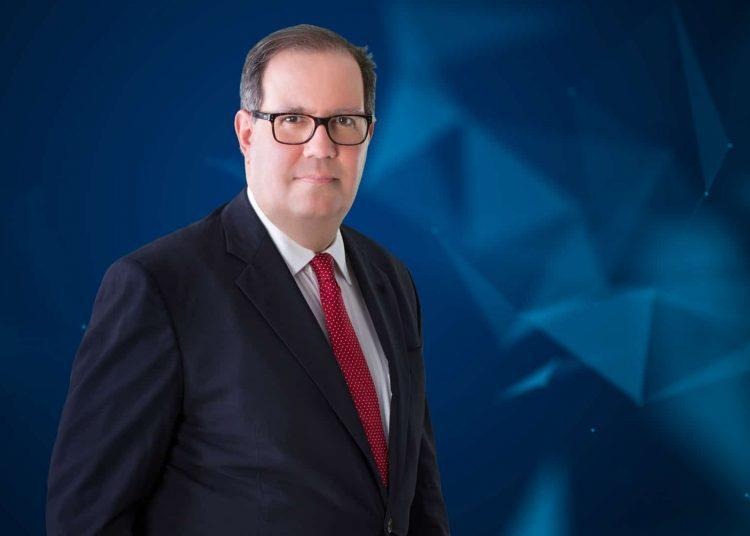
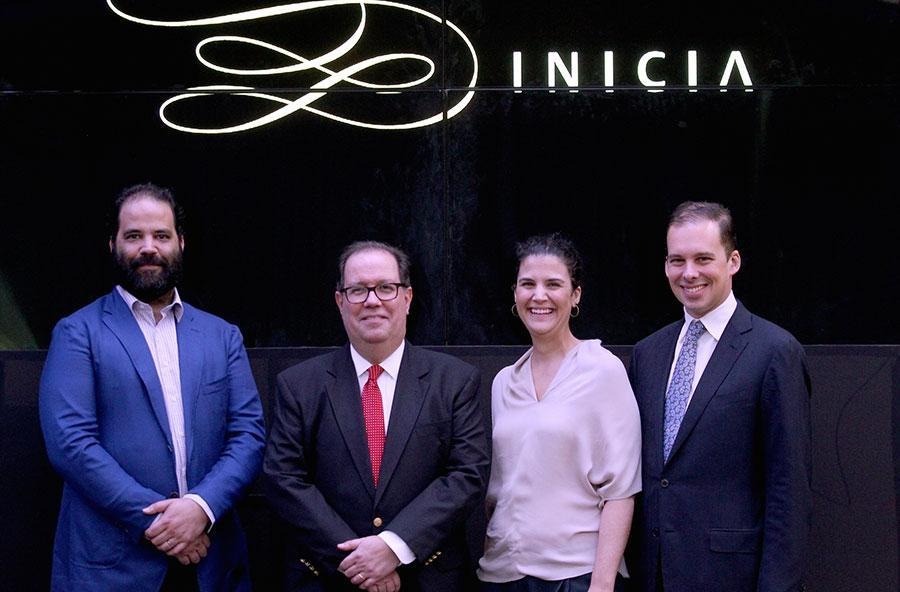
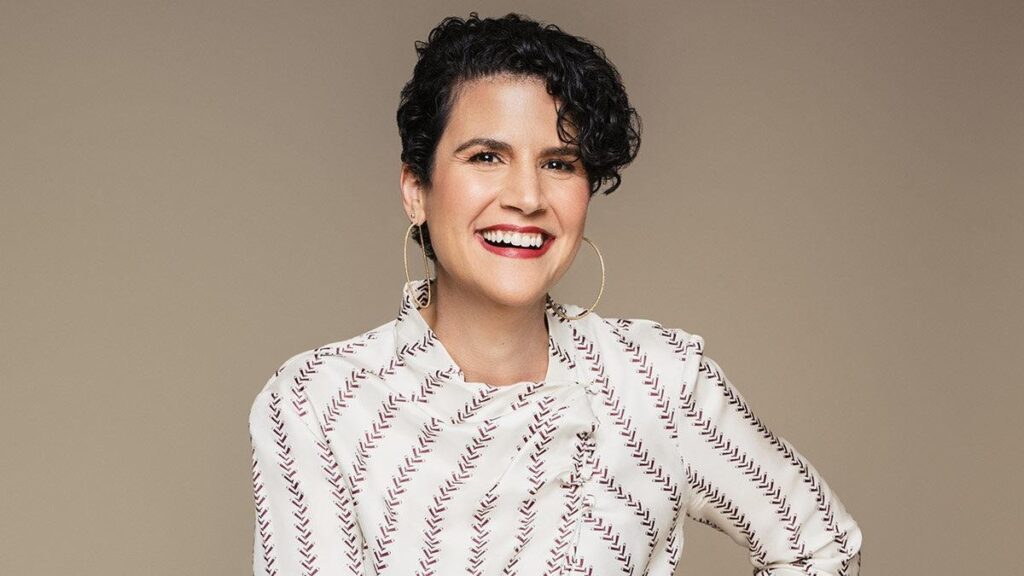
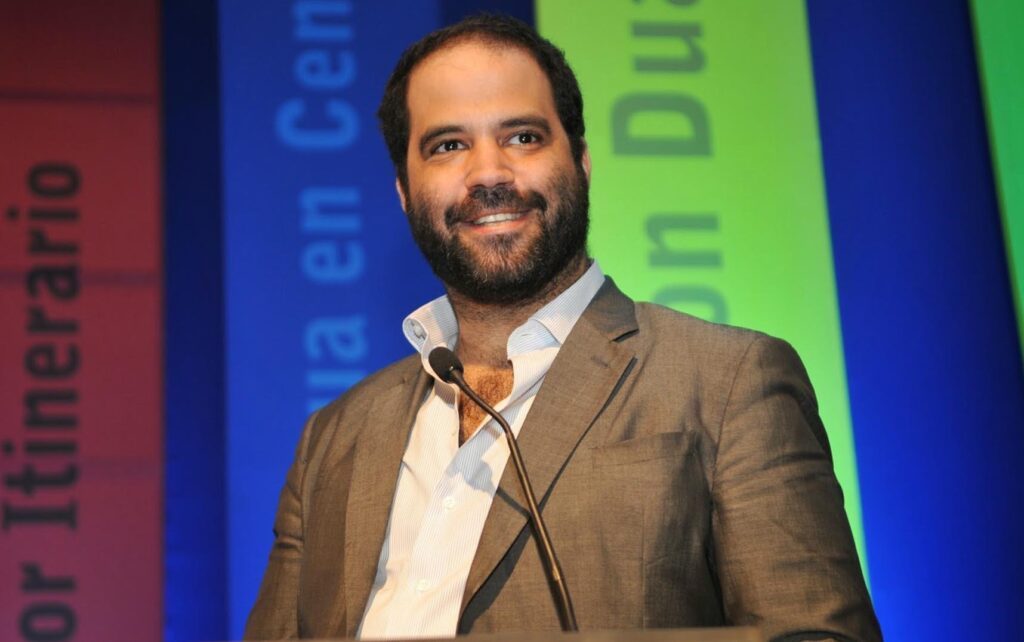
If one were to name the family most frequently associated with the oldest and most classic private capital of the Dominican Republic, it would be Vicini. Historically, the family built its position on sugar and land, while today its main vehicle is INICIA – a private asset management platform. Among the most important, publicly recognized members are Felipe Vicini, Amelia Vicini, José Vicini, and Juan Vicini. The source of the fortune is linked to multi-generational family capital and the sugar industry tradition, and the current management center remains in Santo Domingo, although the operations are regional. This is one of the families that continue to hold high positions in newer rankings. In the Forbes Centroamérica 2021 ranking, Felipe Vicini placed 9th in the region with reported assets of approximately USD 914.4 million, and Bloomberg Línea also indicated an earlier level of approximately USD 914 million for the group. The flagship “business” today remains INICIA itself as an investment platform.
Felipe:
Family (Juan, Felipe, Amelia, and Jose):
Amelia:
Juan Vicini
Juan Bautista Vicini Cabral (Gianni)